Watching Their Dust: Photographing Players in Pollination
Pollination is one of nature’s most fascinating processes, a delicate dance that sustains the ecosystems we rely on for food and survival. At the heart of this process are its key “players”—bees, butterflies, birds, bats, and even the wind—working tirelessly to transfer pollen and fertilize plants.
But beyond its ecological importance, pollination is also visually stunning, full of intricate details and fleeting moments. For photographers, capturing these tiny actors in action is both a challenge and a rewarding artistic pursuit. Whether you’re a seasoned wildlife photographer or a hobbyist with a macro lens, photographing pollination allows you to witness nature’s hidden wonders up close.
Why Photograph Pollination?
Pollination photography is more than just capturing beautiful images of flowers and insects. It tells a story of interconnectedness and serves as a visual reminder of our role in protecting the environment.
- Educational Value: Images of pollination help raise awareness about biodiversity and conservation.
- Artistic Expression: The vibrant colors of flowers and the fine detail of pollen grains make for breathtaking compositions.
- Citizen Science: Your photos can contribute to research projects tracking pollinator populations.
- Environmental Advocacy: Compelling images can inspire action to protect threatened pollinator species like honeybees and monarch butterflies.
Gear for Capturing the Tiny World
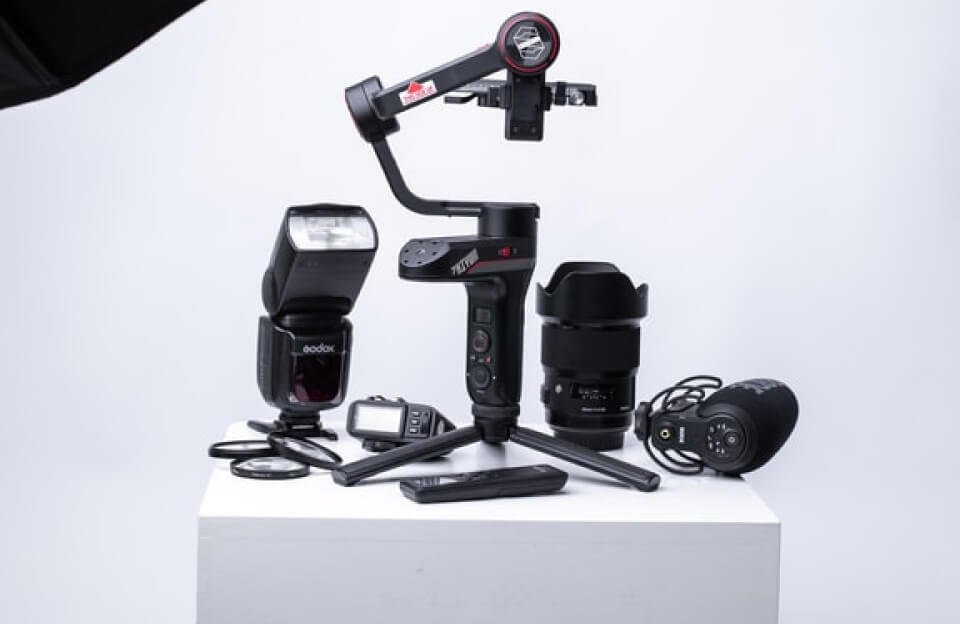
Photographing pollinators requires equipment that can handle fast movement and intricate detail. Here’s what you’ll need:
1. Camera and Lenses
- DSLR or Mirrorless Camera: Offers the speed and control needed for macro work.
- Macro Lens (90mm–105mm): Essential for close-up shots of pollen and pollinators.
- Telephoto Lens (200mm–400mm): Perfect for shy subjects like hummingbirds or bats.
2. Support Gear
- Tripod: Provides stability for capturing sharp, detailed images.
- Ring Light or Flash Diffuser: Enhances lighting without startling pollinators.
- Polarizing Filter: Reduces glare and enhances color saturation.
3. Recommended Settings
- Shutter Speed: 1/1000 sec or faster to freeze motion.
- Aperture: f/8 to f/16 for depth of field.
- ISO: Start at 400 and adjust based on lighting.
Finding the Players: Where to Photograph
Pollinators are everywhere, but knowing where to look increases your chances of success:
- Flowering Gardens: Both public botanical gardens and backyard gardens attract a variety of species.
- Meadows and Wildflower Fields: Rich biodiversity and abundant subjects.
- Orchards and Farms: Bees hard at work during peak blooming seasons.
- Wetlands and Forest Edges: Great for capturing birds and bats involved in pollination.
Pro Tip: Early mornings and late afternoons are ideal for photographing pollinators. The light is softer, and many insects are less active and easier to capture.
Techniques for Stunning Shots
Photographing pollinators in action requires patience, timing, and creativity. Here are some techniques to elevate your work:
1. Get Close, Stay Patient
- Use a macro lens to reveal intricate pollen grains and wing textures.
- Remain still and quiet—sudden movements scare pollinators away.
2. Capture Motion
- Experiment with slower shutter speeds to create motion blur that shows the energy of pollination.
- Alternatively, freeze the moment with a high-speed shutter to capture sharp wing beats.
3. Compose with Purpose
- Frame pollinators with their floral environment to tell a more complete story.
- Use the rule of thirds for balanced, engaging images.
4. Focus on the Dust
- Pollen grains are often overlooked, but they create powerful imagery.
- Shoot with high magnification to emphasize the “dust” clinging to bees or butterfly legs.
Ethics in Pollination Photography
While capturing these incredible moments, it’s crucial to respect nature:
- Do Not Disturb: Avoid harming plants or frightening pollinators.
- Stay on Paths: Protect wild habitats by sticking to designated areas.
- Avoid Pesticide Zones: Photograph in natural, chemical-free environments whenever possible.
Telling a Bigger Story
Your photographs can inspire people to care about pollination and its role in our food systems. Consider:
- Creating a photo series showing pollination from flower to fruit.
- Partnering with local environmental groups for exhibitions or awareness campaigns.
- Contributing to citizen science apps like iNaturalist or Bumble Bee Watch.
Final Thoughts
Photographing pollination is like witnessing a secret performance in nature’s grand theater. Every grain of pollen, every buzzing bee, and every fluttering wing tells a story of resilience and balance.
By capturing these fleeting interactions, photographers not only create art but also become advocates for the ecosystems that sustain us all. The next time you step into a blooming garden, bring your camera, your patience, and your curiosity—and be ready to watch their dust.